
Introduction: Embracing Movement in Your First Trimester
Welcome, future moms, to MomToMove.com! Discovering you’re pregnant is an incredible, life-changing moment, often filled with a mix of excitement, anticipation, and perhaps a few new questions about what’s safe and beneficial for your body. As your body begins its miraculous transformation, maintaining a healthy and active lifestyle can play a pivotal role in your well-being. This comprehensive guide focuses specifically on safe exercises for your first trimester, helping you navigate these early weeks to establish positive habits that support you now and throughout your entire pregnancy journey. Engaging in appropriate physical activity during this period can help manage common first-trimester symptoms, boost your energy, and lay a strong foundation for a healthier nine months ahead.
Before we dive in: A Crucial Note for Your Safety
At MomToMove, your health and the well-being of your baby are our utmost priorities. The information provided in this guide is for general informational purposes only and is not a substitute for personalized medical advice. It is essential to consult with your doctor, obstetrician, or a qualified healthcare provider before starting any new exercise routine or making changes to an existing one during pregnancy. Every pregnancy is unique, and individualized medical guidance is paramount to ensure that any physical activity is safe and appropriate for your specific health circumstances.
Benefits of Safe Exercises in Your First Trimester.
Engaging in appropriate physical activity during your first trimester can offer significant advantages for both mother and baby. This approach is strongly supported by leading health organizations. For instance, the American College of Obstetricians and Gynecologists (ACOG) and the World Health Organization (WHO) both recommend that healthy pregnant individuals with uncomplicated pregnancies engage in regular physical activity. While early pregnancy symptoms might present challenges, the consensus among healthcare professionals is that consistent safe exercises for your first trimester, when cleared by your doctor, provide numerous benefits.
- Managing Common Symptoms: Many women experience fatigue, nausea, and mood swings in early pregnancy. Regular, moderate exercise is widely recognized as a natural way to help alleviate these discomforts, potentially boosting energy levels and improving overall well-being.
- Boosting Mood and Reducing Stress: Physical activity is a known mood enhancer. It helps release endorphins, which can be particularly beneficial in managing the emotional fluctuations associated with hormonal changes in the first trimester, contributing to a more stable mood and reduced stress levels.
- Improving Sleep Quality: As your body adapts to early pregnancy changes, quality sleep becomes even more vital. Experts suggest that consistent, moderate exercise can promote healthier sleep patterns, potentially making it easier to fall asleep and experience more restorative rest.
- Preparing for Future Stages: Establishing a foundation of fitness early in pregnancy can help prepare your body for the increased physical demands of the second and third trimesters, as well as the rigors of labor and delivery. It contributes to maintaining strength, flexibility, and cardiovascular health.
- Supporting Healthy Weight Management: While appropriate weight gain is essential during pregnancy, regular exercise, when combined with a balanced diet, supports healthy weight management throughout gestation. This can help reduce risks associated with excessive weight gain for both mother and baby.
First Trimester Exercise Safety Guidelines
Even with the green light from your healthcare provider, understanding general safety guidelines for exercise during your first trimester is essential. These principles help ensure your activity remains beneficial and comfortable as your body undergoes significant, yet often unseen, changes. Prioritizing safety allows you to enjoy the advantages of movement with peace of mind.
- Always Listen to Your Body: This is the golden rule. Pregnancy is not a time to push through pain or discomfort. Pay attention to how you feel, and if something doesn’t feel right, stop. The “Rate of Perceived Exertion (RPE)” scale is a helpful guide; aim for a moderate intensity where you can talk comfortably but not sing.
- Stay Hydrated: Drink plenty of water before, during, and after your workouts. Dehydration can lead to overheating and discomfort, which is particularly important to avoid during pregnancy.
- Avoid Overheating: Your core body temperature should not rise excessively. Avoid exercising in hot, humid environments, prolonged hot baths, or saunas. Opt for breathable clothing.
- Wear Comfortable and Supportive Gear: Choose athletic wear that doesn’t restrict your movement and provides adequate support, especially for your breasts and feet. Supportive footwear is key to preventing discomfort.
- Focus on Consistency, Not Intensity: Regular, moderate activity is more beneficial than sporadic, high-intensity workouts. Aim for consistent movement most days of the week, as recommended by health guidelines.
- Proper Form is Paramount: As your body shifts, your balance and joint stability can change. Focus on maintaining correct posture and form to prevent injury. If unsure, consider consulting a certified prenatal fitness professional.
Recommended Safe Exercises for the First Trimester.
Once you have medical clearance and understand the general safety guidelines, you can explore various gentle yet effective exercises suitable for your first trimester. The key is choosing activities that are low-impact, don’t risk falls, and allow you to maintain a moderate intensity where you can easily hold a conversation.
- Walking: An incredibly accessible and effective full-body workout. Walking can boost your cardiovascular health, improve circulation, and help manage weight gain. Aim for brisk walks most days of the week, ensuring you’re comfortable and hydrated. As your pregnancy progresses, you may need to adjust your pace or duration.
- Swimming and Water Aerobics: The buoyancy of water provides excellent support, reducing strain on your joints and ligaments. It’s a fantastic way to get a full-body workout without overheating, and it can also help alleviate swelling and back pain. Many pools offer dedicated prenatal aquatic classes.
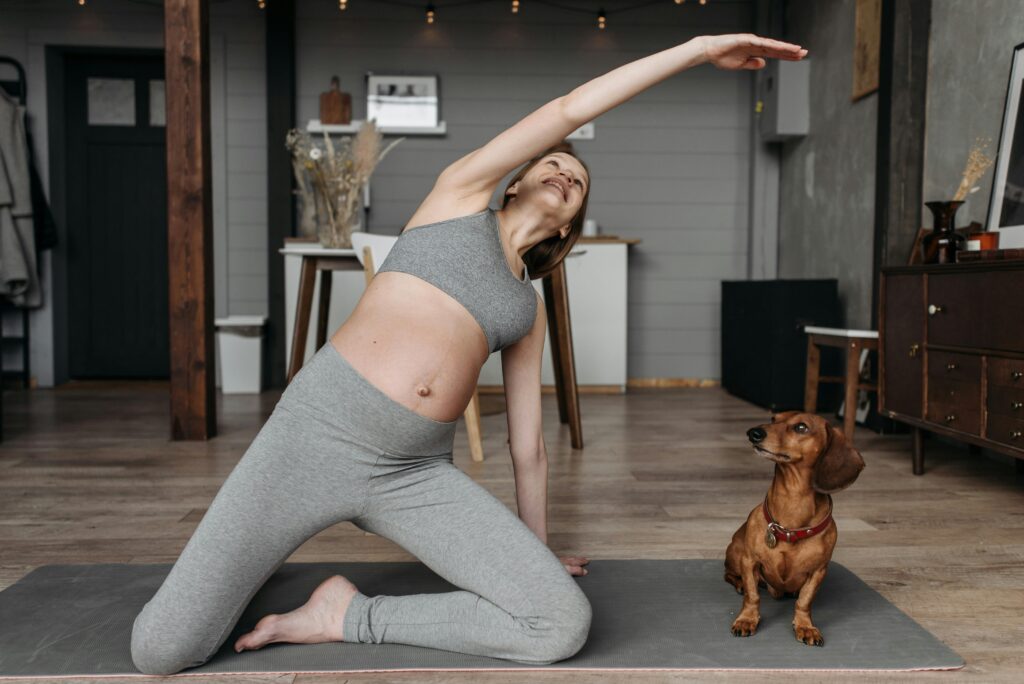
- Prenatal Yoga and Pilates: These practices focus on flexibility, strength, balance, and breathing techniques, all of which are highly beneficial for pregnancy and labor. Look for classes specifically designed for prenatal individuals to ensure all poses are safe and modified appropriately. Yoga and Pilates can also promote relaxation and mental well-being.
- Light Strength Training: Incorporating light strength training using your own body weight, resistance bands, or very light dumbbells can help build and maintain muscle strength. Focus on major muscle groups, maintain good posture, and avoid heavy lifting or straining. Strength training prepares your body for the increased load of pregnancy and everyday tasks.
- Pelvic Floor Exercises (Kegels): These are vital throughout pregnancy and postpartum. Strengthening your pelvic floor muscles can help support your bladder, bowel, and uterus, potentially easing delivery and aiding postpartum recovery. You can practice Kegels discreetly anywhere, focusing on gently contracting and lifting your pelvic floor muscles.
Exercises to AVOID in the First Trimester.
While staying active is highly beneficial, there are certain activities that should be avoided or modified during your first trimester to ensure the safety and well-being of both you and your baby. These precautions are generally advised to minimize risks that could arise from falls, overheating, or excessive strain.
- High-Impact Activities with a Risk of Falls: Activities like downhill skiing, snowboarding, gymnastics, or horseback riding carry a high risk of falls and abdominal trauma, which should be avoided. Your center of gravity will gradually shift, impacting your balance, so it’s wise to avoid situations where a fall could occur.
- Contact Sports: Any sport involving physical contact or a high risk of blows to the abdomen should be stopped immediately. This includes activities like basketball, soccer, ice hockey, and martial arts.
- Scuba Diving: Scuba diving is not recommended during pregnancy due to the risk of decompression sickness for the baby.
- Excessive Heat Exposure: Avoid activities that can significantly raise your core body temperature, especially for prolonged periods. This includes hot yoga, Bikram yoga, prolonged hot tub use, or exercising in very hot and humid outdoor conditions, as overheating can pose risks.
- Heavy Lifting or Straining: While light strength training is encouraged, avoid lifting very heavy weights that cause you to strain or hold your breath. This can increase intra-abdominal pressure. If you feel compelled to lift heavy, consult with a physical therapist specializing in prenatal exercise.
- Activities Requiring Lying Flat on Your Back for Prolonged Periods: While less critical in the very early first trimester, it’s good practice to start being mindful of avoiding exercises that involve lying flat on your back for extended periods. As your uterus grows, lying flat can compress a major blood vessel (vena cava), potentially reducing blood flow to you and your baby. This becomes more crucial in later trimesters.
Listen to Your Body: Red Flags to Stop Exercising.
While regular exercise is highly beneficial during pregnancy, it’s paramount to be aware of your body’s signals. Knowing when to stop and consult your healthcare provider is essential for your safety and your baby’s well-being. Always err on the side of caution.
If you experience any of the following symptoms during or after exercise, stop immediately and contact your doctor or healthcare provider:
- Vaginal bleeding or fluid leaking: Any vaginal bleeding or gush of fluid requires immediate medical attention.
- Dizziness or feeling faint: Lightheadedness or feeling like you might pass out.
- Shortness of breath before exertion: Feeling breathless even before you start exercising.
- Chest pain or palpitations: Any discomfort or unusual sensations in your chest.
- Headache: A severe or persistent headache.
- Muscle weakness affecting balance: Feeling suddenly weak in a limb that impacts your ability to stand or move.
- Calf pain or swelling: This could indicate a blood clot and requires urgent medical evaluation.
- Uterine contractions or abdominal pain: Regular, painful contractions, especially in the first trimester, or persistent abdominal pain.
- Decreased fetal movement (in later trimesters, but good to know for full pregnancy guidance): While not applicable to the very first trimester when fetal movement isn’t felt, this is a critical red flag for later stages that pregnant individuals should be aware of.
Remember, your body is undergoing immense changes. Prioritizing its signals is the smartest way to exercise safely throughout your pregnancy.
Hydration & Nutrition Tips for Active Moms-to-Be.
Supporting your body through exercise during pregnancy goes hand-in-hand with optimal hydration and nutrition. These elements are the fuel that powers both you and your growing baby, and they become even more critical when you’re physically active. Ensuring proper intake helps maintain energy levels, prevent common discomforts, and supports overall well-being as you engage in safe exercises for your first trimester and beyond.
- Prioritize Hydration: Water intake is paramount. Active pregnant individuals need to drink even more fluids than usual to prevent dehydration, regulate body temperature, and support increased blood volume. Keep a water bottle handy and sip throughout the day, especially before, during, and after workouts. Staying well-hydrated also helps with electrolyte balance and can reduce risks like dizziness.
- Balanced Diet for Sustained Energy: Focus on a diet rich in whole foods, including lean proteins, complex carbohydrates, healthy fats, and plenty of fruits and vegetables. These provide sustained energy for your workouts and essential nutrients for your baby’s development. Complex carbs are particularly important for active individuals, offering slow-release energy.
- Listen to Hunger Cues – Eat Smart: Your body’s energy demands will change dramatically during pregnancy. Eat regular, balanced meals and healthy snacks when you’re hungry. Don’t restrict calories; pregnancy, especially with physical activity, requires an increase in energy intake. Focus on nutrient-dense foods that provide satiety and support your increased metabolic rate.
Conclusion: Embrace Your Empowered Pregnancy Journey
Congratulations on taking this proactive step towards a healthier and more empowered pregnancy! The first trimester, while often marked by subtle changes, is a fantastic time to lay the groundwork for a physically active and well-nourished journey. By embracing safe, expert-backed exercise, prioritizing hydration, and fueling your body with balanced nutrition, you’re not only supporting your own well-being but also creating a nurturing environment for your growing baby. Remember to always listen to your body, be mindful of any red flags, and, most importantly, maintain open communication with your healthcare provider. Your journey through motherhood is unique and incredible; by moving safely and mindfully, you’re embracing every stage with strength and confidence. Continue exploring MomToMove.com for more guides and resources to support you throughout your entire motherhood adventure.